
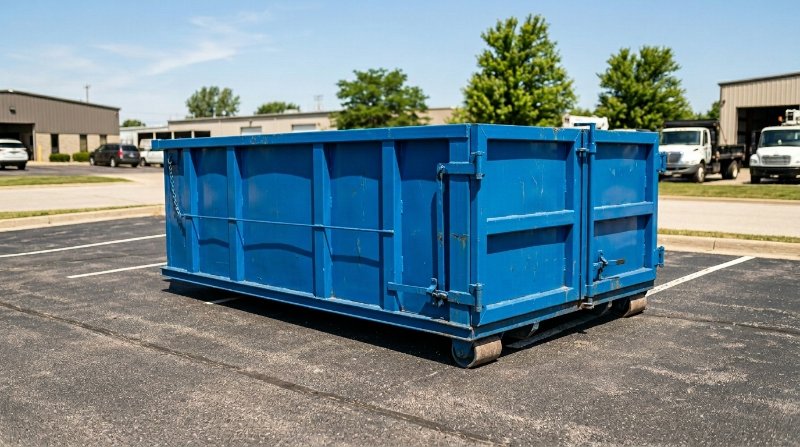
How to Choose the Right Dumpster Size for Your Project in Houston
You've got a project coming up. Maybe it's a kitchen remodel, a garage cleanout, or a new roof. You know you need a dumpster. But which size? It's a common headache. Get it too small, and you'll be stuck with overflowing trash and an extra haul. Get it too big, and you're wasting money.
I've been in the dumpster rental business in Houston for over 15 years. I've seen it all. Let me walk you through how to choose the right dumpster size for your project in Houston. I'll give you real numbers, real examples, and no fluff.
Why Size Matters
Choosing the right size isn't just about convenience. It's about your budget. Most companies charge by the size and weight. If you rent a 20-yard dumpster but only fill half, you've paid for space you didn't use. On the flip side, if you pack a 10-yard dumpster to the brim, you might exceed the weight limit and get charged extra.
Plus, you need space to work. A dumpster that's too small means more trips to the landfill. That wastes time and money. A dumpster that's too big might not fit in your driveway or on your job site.
Common Dumpster Sizes and What They Handle
Here's a quick breakdown of the sizes we offer at GreenBridge Disposal. These are the most common sizes for residential and commercial projects in Houston.
10-Yard Dumpster
- Size: About 10 feet long, 7 feet wide, 3.5 feet tall.
- Best for: Small cleanouts, yard waste, minor bathroom remodels.
- Weight limit: Usually 1-2 tons (2,000-4,000 lbs).
- Example: A single-room declutter or a small patio renovation.
15-Yard Dumpster
- Size: 14 feet long, 7 feet wide, 4 feet tall.
- Best for: Medium home cleanouts, small kitchen remodels, roofing (single layer).
- Weight limit: 2-3 tons.
- Example: A 3-bedroom house garage cleanout or removing an old deck.
20-Yard Dumpster
- Size: 22 feet long, 7 feet wide, 4.5 feet tall.
- Best for: Large remodels, floor removal, multi-room cleanouts.
- Weight limit: 3-4 tons.
- Example: A full kitchen and living room renovation, or a major yard cleanup.
30-Yard Dumpster
- Size: 22 feet long, 7 feet wide, 6 feet tall.
- Best for: Major construction debris, large home additions, whole-house cleanouts.
- Weight limit: 4-5 tons.
- Example: A new roof on a 2,000 sq ft home, or a basement renovation.
40-Yard Dumpster
- Size: 22 feet long, 8 feet wide, 8 feet tall.
- Best for: Large-scale construction, commercial projects, major demolitions.
- Weight limit: 5-6 tons.
- Example: A new building construction site or a complete house demolition.
How to Match Your Project to the Perfect Dumpster Size
Now, let's get practical. You need to match the size to your specific project. Here's how to think about it.
Estimate Your Debris Volume
First, measure the volume of debris you'll have. A standard cubic yard is about the size of a washing machine. So, a 10-yard dumpster holds about 10 washing machines' worth of trash.
For home cleanouts, a good rule of thumb:
- 1-2 rooms: 10-yard
- 3-4 rooms: 15-yard
- Whole house (2,000 sq ft): 20-yard
- Whole house with basement: 30-yard
For construction projects, think in terms of weight. Concrete and dirt are heavy. A 10-yard dumpster might only hold 2 tons of concrete, while a 20-yard can hold 4 tons.
Consider the Type of Material
Different materials have different densities.
- Light materials: furniture, cardboard, plastic, yard waste. You can fill a dumpster to the brim without hitting weight limits.
- Heavy materials: concrete, brick, dirt, roofing shingles. These will hit weight limits before the dumpster is full. For heavy materials, you might need a smaller dumpster to avoid overweight fees.
For example, a 10-yard dumpster can hold about 2 tons of concrete. That's roughly a small patio slab. If you're tearing out a driveway, you'll need a 20-yard or larger.
Think About Access and Space
Where will the dumpster go? Measure your driveway or job site. A 40-yard dumpster is 22 feet long—that won't fit in many residential driveways. Most homes can accommodate a 20-yard or smaller. Also, check for overhead obstructions like low-hanging branches or power lines.
Real-Life Examples from Houston Projects
Let me share a few stories from our customers to make this real.
The Overestimator: A homeowner in Katy rented a 30-yard dumpster for a small bathroom remodel. They ended up with only a quarter of it filled. They paid for space they didn't need. A 10-yard would have been perfect.
The Underestimator: A contractor in Conroe rented a 10-yard dumpster for a roof tear-off. By day two, it was overflowing. They had to order a second dumpster, costing them double the hauling fees. A 20-yard would have done the job in one go.
The Perfect Fit: A family in Sugar Land did a whole-house declutter before moving. They rented a 20-yard dumpster. It fit perfectly in their driveway, and they filled it just right—no overflow, no extra charges. They were thrilled.
Common Mistakes to Avoid
Here are the biggest mistakes I see people make when choosing a dumpster size.
1. Guessing instead of measuring: Always estimate volume. Use a rough calculation: length x width x height of debris pile divided by 27 (cubic feet in a cubic yard).
2. Ignoring weight limits: Heavy materials fill up weight fast. Check the weight limit for each size.
3. Forgetting about the dumpster's footprint: Measure your space. A 40-yard dumpster needs about 22 feet of length and 8 feet of width.
4. Not considering project phases: If you're doing multiple stages, you might need multiple dumpsters or a larger one to accumulate debris.
5. Choosing based on price alone: The cheapest dumpster might be too small, costing you more in the long run.
How GreenBridge Disposal Makes It Easy
We've been serving Houston and surrounding areas like Katy, Conroe, and Sugar Land for years. Our team knows the local projects. We'll ask you the right questions: What are you getting rid of? How much? Where's the dumpster going? We'll recommend the perfect size.
We also offer concrete and dirt dumpsters for heavy materials. And we deliver and pick up on your schedule. No hidden fees, no surprises.
FAQ
Q: What if I underestimate my dumpster size?
A: If you run out of space, you can often order a second dumpster. But it's cheaper to get the right size upfront. We can help you estimate accurately.
Q: Can I put anything in the dumpster?
A: Most household waste is fine, but hazardous materials like paint, chemicals, and tires are not allowed. Check with us for a full list.
Q: How long can I keep the dumpster?
A: Typically, rentals are for 7-14 days. If you need more time, just let us know. We're flexible.
Q: Do I need a permit for a dumpster in Houston?
A: If the dumpster is on your private property, no permit is needed. If it's on the street or sidewalk, you may need a permit from the city. We can advise you.
Q: How much does a dumpster rental cost in Houston?
A: Prices vary by size and location. A 10-yard dumpster starts around $300, while a 40-yard can be $600 or more. Call us for a quote.
Your Next Step
Choosing the right dumpster size doesn't have to be a headache. Start by estimating your debris volume and considering the material type. Then, measure your space. If you're still unsure, give us a call at GreenBridge Disposal. We'll help you pick the perfect size for your Houston project.
Ready to get started? Call us today at [your phone number] or fill out our online form. We'll deliver the right dumpster right when you need it.